
 1 / 5
1 / 5Laser skin rejuvenation at UPIC Clinic Myeongdong is available for people considering treatment for pigmentation, uneven-looking skin tone, freckles, sun-related dark spots and selected signs of skin ageing.
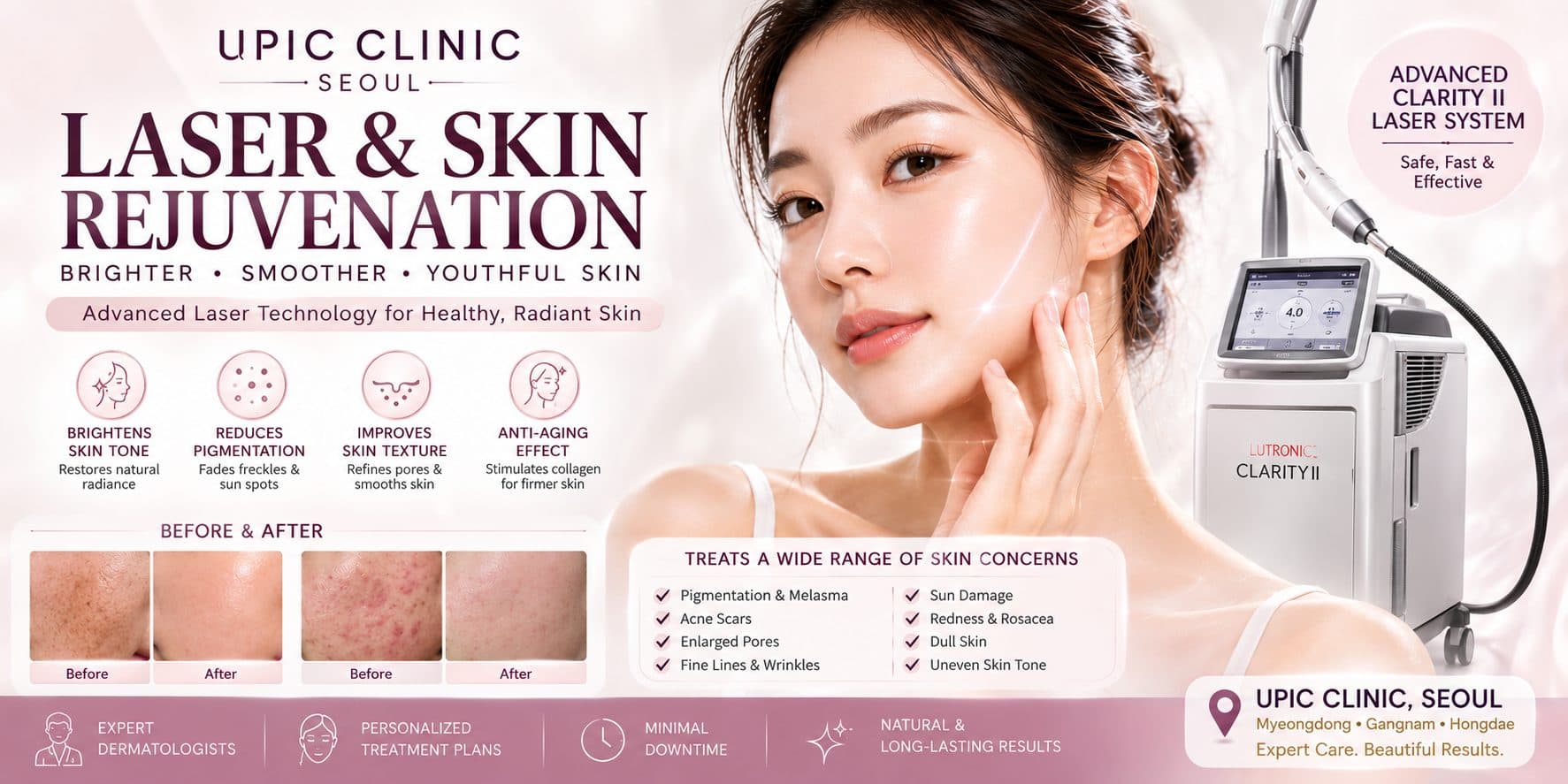
UPIC Clinic Myeongdong currently uses the PicoSure platform. This picosecond laser delivers energy through extremely short pulses and uses a 755 nm wavelength for selected pigmentation and skin-rejuvenation treatments.
The clinic also provides Focus Toning, which uses a specialised treatment tip for selected facial-rejuvenation concerns, including uneven-looking skin and visible signs of ageing.
Pigmentation can have several causes. Melasma, freckles, sun spots and post-inflammatory pigmentation do not necessarily respond to the same treatment settings. A consultation is therefore required to assess the concern, confirm whether PicoSure is appropriate and explain the expected response, session plan, recovery and current price.
Fornur helps international visitors explore Skin & Aesthetic services in Korea and request consultations with available clinic partners. The consultation enquiry is free. PicoSure and other laser procedures are charged separately.
UPIC Clinic Myeongdong currently provides PicoSure laser treatment for selected pigmentation and skin-rejuvenation concerns.
The system uses a 755 nm picosecond wavelength. UPIC also lists Focus Toning for selected broader facial-rejuvenation goals.
The clinic states that laser delivery generally takes approximately five to ten minutes, depending on the treatment area. It also provides an indicative treatment course of approximately three to five sessions, commonly spaced around four weeks apart.
These are clinic estimates rather than a universal treatment plan. The correct settings, number of sessions and treatment interval depend on the concern, skin characteristics and response to earlier treatment.
PicoSure is a picosecond laser platform. Picosecond systems deliver laser energy in pulses measured in trillionths of a second.
The 755 nm wavelength is strongly absorbed by selected pigment targets. The short pulse duration produces a photomechanical effect that breaks pigment into smaller particles while limiting unnecessary heat exposure to nearby tissue.
This does not mean PicoSure is automatically suitable for every dark spot or every skin type. The treatment provider must first determine what is causing the pigmentation and whether laser treatment is appropriate.
PicoSure also has applications beyond cosmetic skin rejuvenation, including tattoo removal. Tattoo treatment requires different settings, recovery guidance and risk assessment and should not be included automatically within a pigmentation or facial-rejuvenation package.
UPIC Clinic Myeongdong currently lists Focus Toning as part of its PicoSure service.
Focus Toning uses a specialised lens to distribute laser energy through a pattern of concentrated treatment points. It may be considered when the treatment goal includes selected visible wrinkles, uneven-looking texture or broader facial revitalisation.
The clinic should confirm whether Focus Toning is being proposed, what concern it is intended to address and whether it is being combined with pigmentation-focused treatment.
Focus Toning should not be presented as a guaranteed solution for every wrinkle, scar, pore or texture concern. Availability of a device feature does not establish that it is appropriate for every patient.
UPIC Clinic Myeongdong provides pigmentation assessment for concerns including melasma, freckles, sun-related dark spots and other areas of uneven pigmentation.
These concerns can look similar but behave differently.
Melasma is often influenced by sunlight, hormones and individual skin characteristics. It can be persistent and can return after improvement. Freckles and sun-related spots have different patterns and may require a different laser approach.
Post-inflammatory pigmentation can develop after acne, irritation, injury or an unsuitable skincare product. Treating the underlying trigger can be as important as addressing the remaining pigment.
The consultation should establish what type of pigmentation is present before a Korean laser skin treatment is selected.
PicoSure may be discussed for selected melasma concerns, but the page must not promise permanent clearance.
Melasma can recur following ultraviolet exposure, hormonal changes or skin irritation. In some patients, overly aggressive treatment can worsen inflammation or pigmentation.
A suitable plan may involve laser treatment alongside daily sun protection, skincare or another treatment recommended after assessment.
The American Academy of Dermatology’s cosmetic-treatment safety guidance explains why medical history, treatment-provider qualifications, possible risks and follow-up arrangements should be reviewed before undergoing an elective cosmetic procedure.
PicoSure may also be considered for selected freckles, sun-related pigmentation and areas of uneven-looking tone.
The treatment provider should determine whether the pigment is superficial or deeper and whether the spot has features requiring medical assessment before cosmetic laser treatment.
Not every brown mark should be treated automatically. A new, changing, irregular or unexplained pigmented lesion should be appropriately assessed before laser energy is applied.
The goal should be to make suitable pigment less visible rather than promising perfectly uniform or permanently pigment-free skin.
UPIC Clinic’s PicoSure service also identifies treatment for selected wrinkle concerns through its Focus Toning option.
This should be described as skin rejuvenation rather than a facelift or major skin-tightening treatment.
Laser treatment can support gradual changes in the appearance of selected fine lines and uneven texture. It cannot remove substantial loose skin, restore lost facial volume or create the structural change associated with lifting surgery.
People whose primary concern is reduced skin firmness rather than pigmentation or texture can compare Thermage FLX at UPIC Clinic Myeongdong.
Visitors researching Korean laser skin treatment often encounter packages described as toning, brightening, pigmentation removal or skin rejuvenation.
The most important question is not which package includes the greatest number of laser passes. It is whether the proposed device, wavelength and treatment method match the concern being treated.
Before proceeding, the treatment plan should identify:
The exact concern identified during assessment
The PicoSure treatment method being proposed
The areas included in the treatment
The expected skin reaction and recovery
The recommended number and spacing of sessions
The complete treatment and package price
A treatment should not be selected solely because it is marketed as brightening, anti-ageing or suitable for achieving “glass skin.”
The consultation should begin with a review of the main concern, current skin condition, previous laser treatments and recent sun exposure.
Tell the clinic about:
Current prescription and non-prescription skincare
Previous pigment changes after laser or chemical treatments
Medicines or supplements that can affect light sensitivity or healing
Active acne, irritation, infection or open skin
A history of cold sores or unusual scarring
Recent tanning, sunburn or prolonged ultraviolet exposure
Before treatment, confirm the precise PicoSure treatment, area, proposed treatment approach, expected number of sessions, likely discomfort, recovery guidance and complete price.
Do not stop prescribed medication unless the healthcare professional responsible for it advises you to do so.
The skin is assessed and prepared before the PicoSure handpiece is applied to the agreed area.
The treatment provider selects the settings and treatment method according to the concern and skin assessment.
Patients can experience brief snapping, warmth, tingling or sensitivity during laser delivery. Comfort varies according to the treatment area, treatment goal, settings and individual sensitivity.
UPIC Clinic Myeongdong currently estimates that the laser-delivery portion of the appointment usually takes approximately five to ten minutes.
The complete appointment can take longer when consultation, photography, cleansing, topical anaesthetic, preparation and aftercare are included.
The procedure should not be described as painless. Tell the treatment provider immediately if you experience intense burning, severe pain or another sensation that differs significantly from what was explained.
UPIC Clinic Myeongdong currently states that treatment courses commonly involve approximately three to five sessions, often spaced around four weeks apart.
This is an indicative clinic range rather than a fixed plan for every concern.
The final number and spacing of sessions depend on the type and depth of pigmentation, the chosen treatment method, settings and response after earlier appointments.
A greater number of sessions does not automatically guarantee a better result. The treatment plan may need to be adjusted according to how the skin responds.
International visitors should consider whether they will remain in Korea long enough to complete the proposed schedule.
The intended result depends on the concern being treated.
Pigmentation-focused treatment aims to make selected areas of excess pigment less visible. Focus Toning may be discussed for selected facial-rejuvenation goals involving wrinkles or uneven-looking texture.
Results should be assessed gradually rather than promised after one appointment. Early redness, temporary darkening or small crusts can initially affect the appearance of the treated area.
PicoSure treatment cannot guarantee:
Permanent removal of melasma
Complete removal of all pigmentation
Permanent elimination of freckles or sun spots
Complete wrinkle removal
Identical results for every patient
No redness, sensitivity or crusting
A guaranteed result after one session
The clinic should explain when progress can reasonably be reviewed and whether maintenance or another treatment may later be discussed.
Recovery depends on the treatment purpose, settings, area and individual skin response.
Temporary redness, warmth, sensitivity or mild swelling can occur. Small, thin crusts may form over treated pigment and should be allowed to separate naturally.
UPIC Clinic Myeongdong currently advises avoiding saunas, steam rooms and swimming pools for approximately one week after PicoSure treatment.
The treated area should not be rubbed, scratched or deliberately peeled. Sun protection is particularly important because ultraviolet exposure can worsen existing pigmentation and contribute to new pigment changes.
The clinic should provide written guidance covering cleansing, moisturiser, sunscreen, active skincare products, makeup, exercise and when normal activities can be resumed.
Request prompt medical advice if you experience blistering, increasing pain, spreading redness, marked pigment change or another reaction that differs significantly from the expected recovery.
Tell the clinic before treatment if you have active irritation, an infection, open skin, recent sunburn or significant tanning in the proposed treatment area.
A history of cold sores, abnormal scarring, pigment changes following previous procedures, diagnosed skin conditions and recent chemical peels, microneedling or energy-based treatments should also be disclosed.
Medicines and supplements that affect light sensitivity, bleeding or healing must be discussed during consultation.
Laser treatment is not automatically suitable simply because a concern appears on a treatment menu. Skin characteristics, pigment type, medical history and previous response must be considered before treatment settings are selected.
The consultation enquiry submitted through Fornur is free. PicoSure and other laser treatments are not free.
Pricing can depend on the treatment area, PicoSure treatment method, number of sessions, preparation, topical anaesthetic and whether another procedure is included.
Before paying, request written confirmation of:
The exact treatment being proposed
The areas included
The number and spacing of sessions
Whether preparation or topical anaesthetic is included
Package validity and rescheduling conditions
Follow-up and any additional charges
Do not rely on a generic package described only as laser toning, brightening or rejuvenation without confirming what treatment will be delivered.
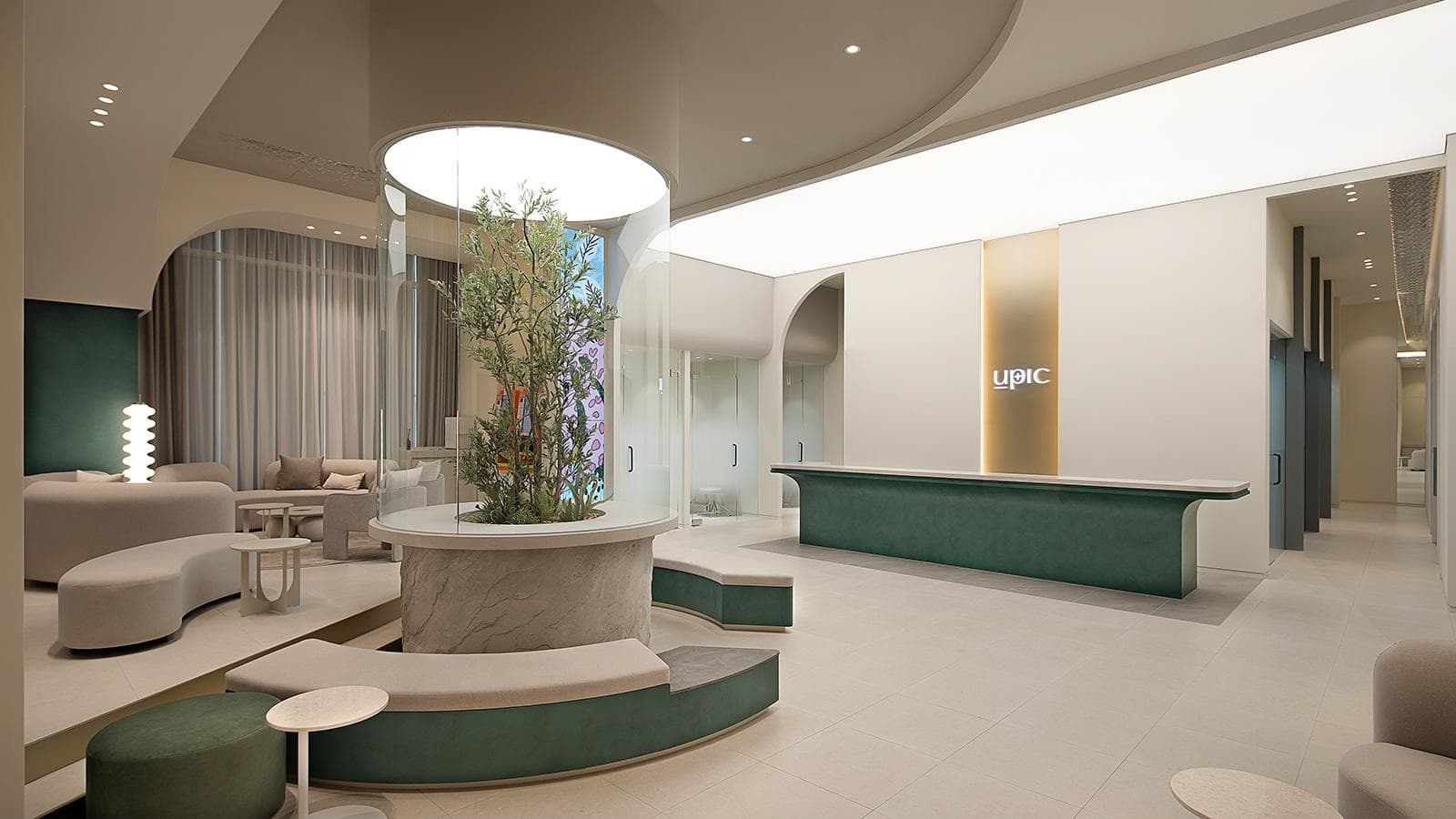
This listing is associated with UPIC Clinic Myeongdong in Seoul.
When submitting a Fornur consultation enquiry, include your main skin concern, previous treatments, current skincare products, relevant medicines, preferred appointment dates, departure date and acceptable recovery time.
Clear photographs may be requested to help communicate the concern, but photographs do not replace an appropriate assessment.
The clinic must confirm current appointment availability, treatment suitability, language support and price.
Avoid scheduling an unfamiliar laser procedure immediately before an international flight, important event or professional photography.
Fornur facilitates the consultation enquiry. It does not diagnose skin conditions, select laser settings or perform the treatment.
Visitors can also explore other Beauty & Medical services in Korea.
Laser skin rejuvenation is most relevant when the concern involves pigmentation, uneven tone, selected fine lines or texture.
Skin boosters at UPIC Clinic use injectable products and are generally discussed for hydration and overall skin quality rather than directly targeting pigment.
Thermage FLX at UPIC Clinic Myeongdong uses radiofrequency energy and is more relevant when the primary concern involves wrinkles, reduced firmness or mild skin laxity.
Ultherapy Prime at UPIC Clinic and Shurink Universe HIFU at UPIC Clinic use focused-ultrasound energy for selected lifting and tightening concerns.
These treatments use different technologies and should not be presented as interchangeable.
Your cart is empty
Continue Shopping